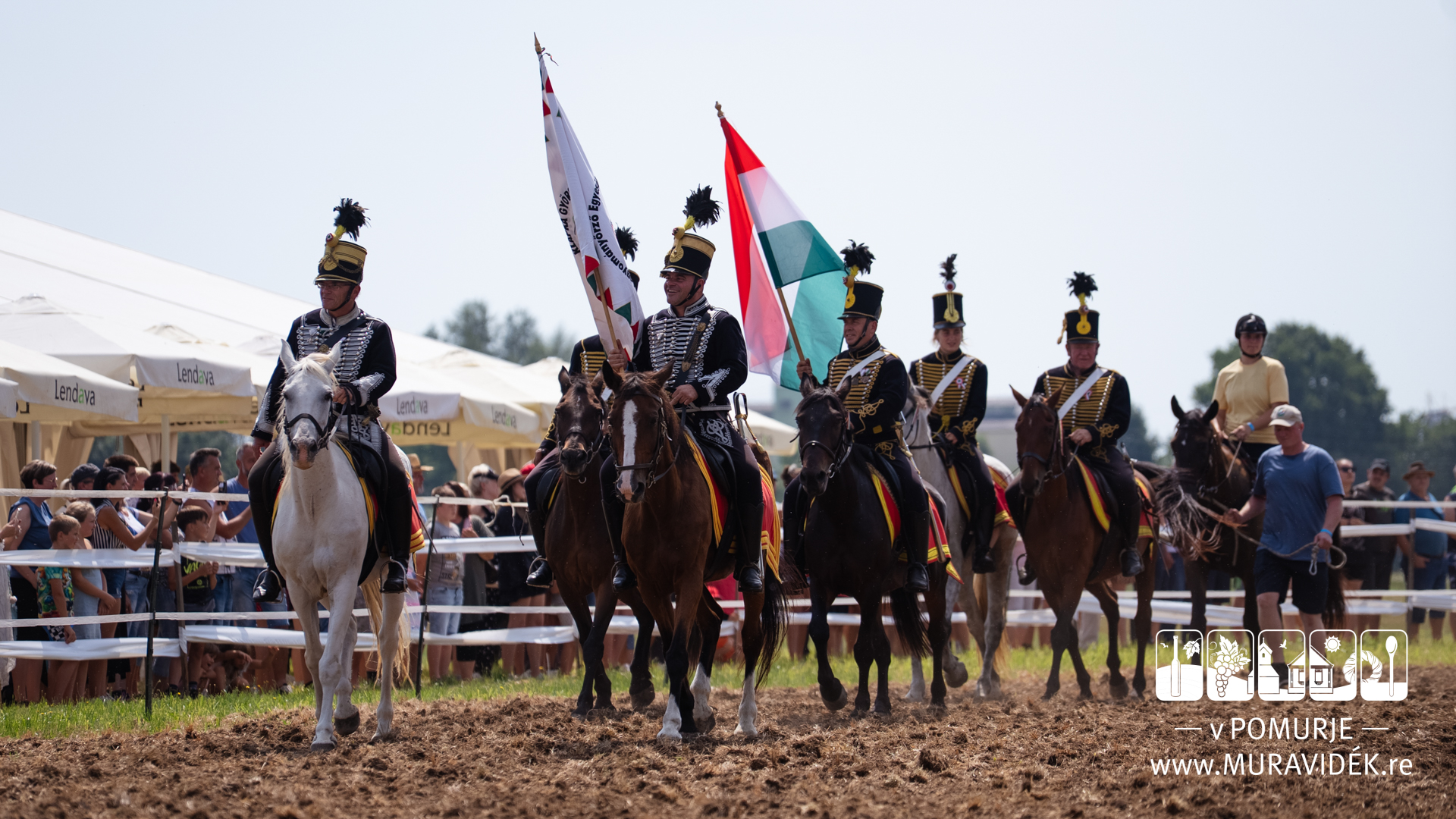
In the fields of Hosszúfalu (Dolga Vas), the pounding of hooves can be heard early in the morning, and the air is filled with the sound of trumpets and excitement. Spectators gather with flags in hand, and riders line up in ornate hussar uniforms.
This is the Mura Region Gallop (Muravidéki Vágta) – which has returned to its starting location after many races in Lendva (Lendava) – it is not just a competition, but a celebration where tradition, equestrian culture, and tourism form a special blend. The Mura Region Gallop – as one of the regional heats for the National Gallop – is the most grandiose and important equestrian event in the Slovenian-Hungarian border region, serving as both a
A Mura Region Story Leading to Budapest
The National Gallop (Nemzeti Vágta), which has been organized since 2008 – initially in Budapest’s Heroes’ Square – has become one of the biggest celebrations of Hungarian equestrian culture. The competition is linked to numerous regional heats, of which the Mura Region Gallop is one of the most significant stages for Hungarian communities across the border.
The Mura Region Gallop is the Mura region heat of the National Gallop, one of the most beautiful cross-border celebrations of Hungarian equestrian traditions. The road leading to the finals held in Hungary also starts here: riders from Dobronak (Dobrovnik), Lendva, Muraszombat (Murska Sobota), and the surrounding villages compete year after year to represent their region at this year’s contest in Szilvásvárad.
The 2025 Mura Region Gallop was already the ninth competition organized jointly by the Hungarians in Slovenia and the organizing committee of the National Gallop.
But the Mura Region Gallop is more than just a qualifying race. This event is a symbol of the identity and unity of the Hungarians of the Mura region, where the horse, the rider, and the community together form a tradition-preserving unit. The Mura Region Gallop is not only an equestrian competition but also an identity-strengthening, community-building, and tourism-boosting event.
Dobronak and Lendva: Keepers of the Tradition
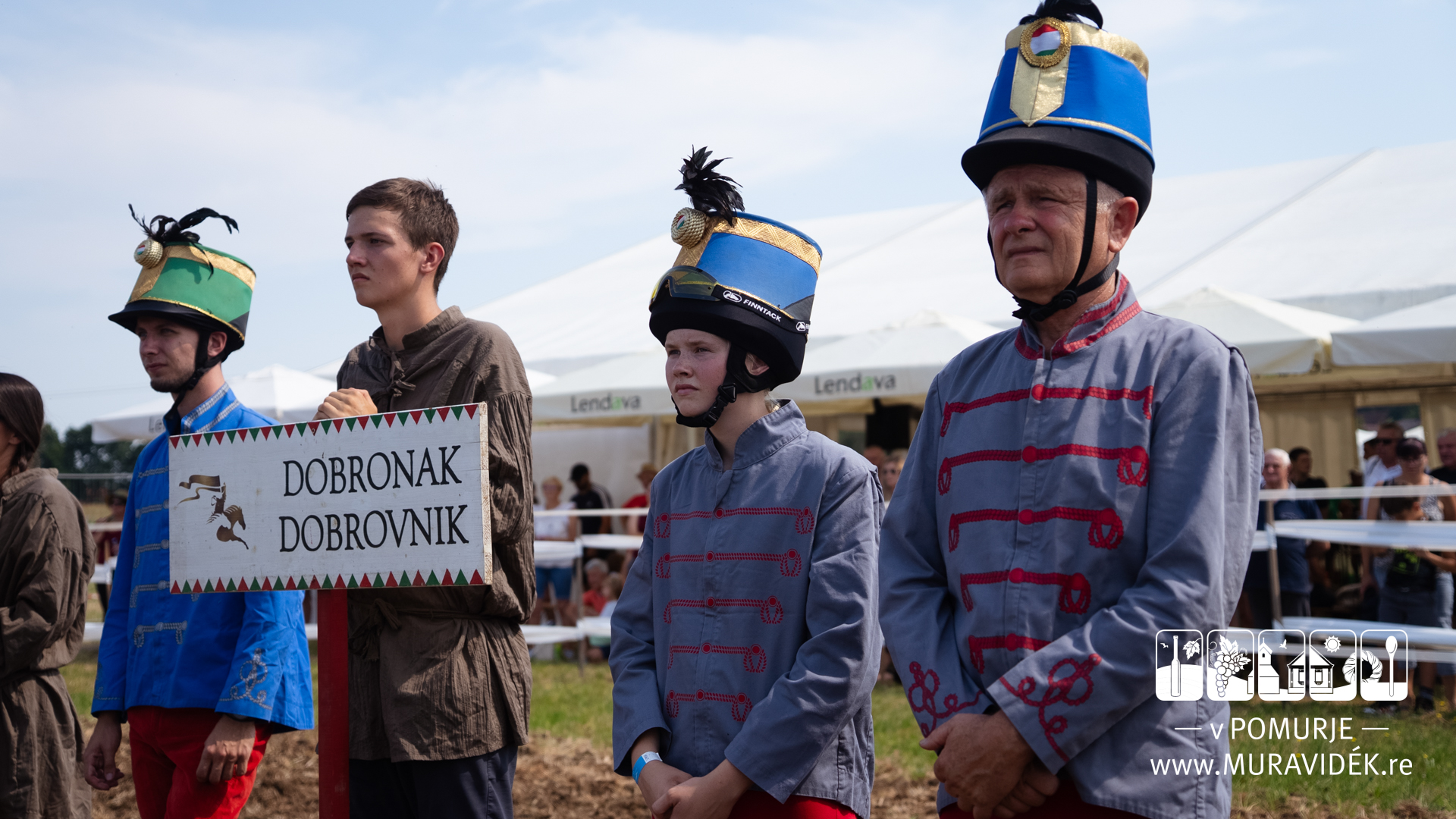
In recent years, the names of Dobronak and Lendva have appeared increasingly often on the podium in the Mura region heats. Dobronak’s riders stand out for their discipline, preparation, and sportsmanship, while the village transforms the Gallop weekend into a tourist festival.
Lendva also participates with a strong presence year after year. The town attracts attention not only with its competitors but also with its hospitality and cultural diversity. On the day of the races, a craft fair, wine presentations, and folk music programs await visitors, and in the evening, the vineyard hill offers a spectacular view of the Mura region landscape – and the sunset, which shines in a different light even from the saddle of a horse.
Equestrian Tradition – Tourist Opportunity
Both equestrian gallops offer a special experience for sports enthusiasts and tourists alike. Behind the rhythm of the hooves lies an economic and cultural vibrancy.
During the Mura Region Gallop, the region’s tourist service providers – guesthouses, wineries, restaurants – come alive. Visitors taste local wines, buy handcrafted products, and get acquainted with the unique gastronomy of the Mura region. The event thus simultaneously attracts tourists and strengthens the local economy.
The day of the gallop is therefore not just about the horses, but also about the presentation of the region. Every settlement represents itself with stands, flags, and folk costumes – a living, moving tourist exhibition unfolds around the track. These successes and initiatives show that equestrian competitions are capable of connecting tradition with a modern approach to tourism and directing international attention to the Mura region.
A Bridge Between Two Countries
The specialty of the Mura Region Gallop is that it forms a cultural bridge between Hungary and Slovenia.
Hungarian and Slovenian visitors, riders, and organizers together cherish the common tradition – the love of horses, the closeness to nature, and the belief in the power of community. This event connects the two countries not only through sport but also through cultural diplomacy.
As Ferenc Göntér, a rider from Dobronak, puts it: “When I’m on the horse, I don’t feel whether I’m on this side of the border or the other – only that our traditions are shared.”
The Future of the Gallop: A New Engine for Tourism
The Mura Region Gallop could already be a tourist brand name today, not just an event.
The traditional equestrian programs, the accompanying gastronomic and musical events, and the natural settings all offer an experience that the modern traveler seeks: authentic, communal, and spectacular.
A tourism breakthrough point could be that the Gallop remains not just a one-day event but becomes a defining pillar of the region’s tourist calendar – which could be linked to hikes, wine routes, themed programs, and even equestrian touring routes.
The Mura Region Gallop carries on the spirit of the National Gallop – in a Mura region style.
A day when Dobronak and Lendva show once again that the equestrian tradition is not a reflection on the past but a living tourism opportunity. A day when the horse not only races but also builds bridges between cultures, countries, and people. And a day when the Mura region – through the pounding of hooves – makes its voice heard again in the Carpathian Basin.
The Best Riders of the Mura Region Gallop
The best riders of the Mura Region Gallop qualified as entrants for the National Gallop held in early October in Szilvásvárad.
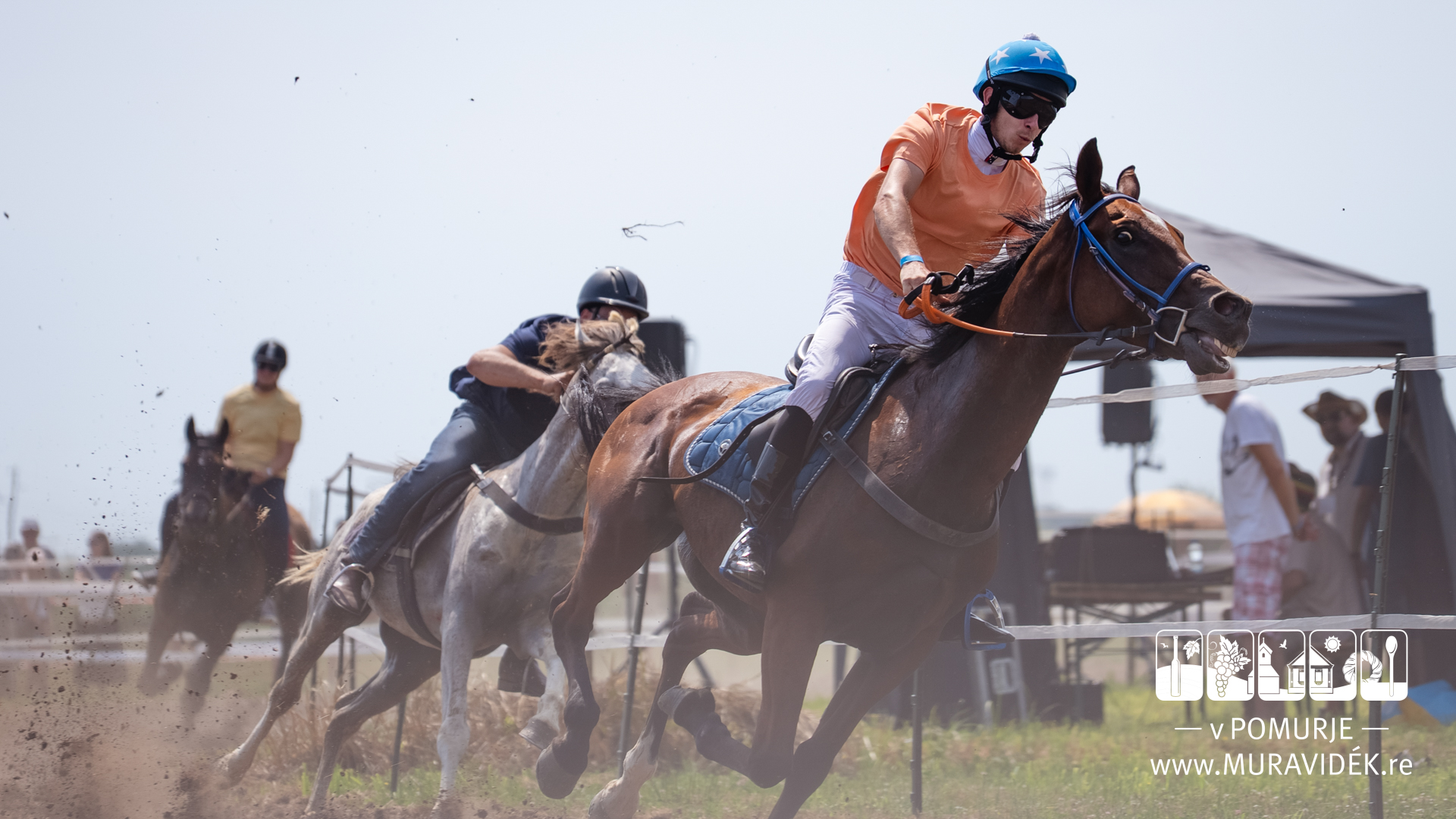
The competition day began with the junior hussars, and from the 7 heats, the riders of 12 settlements advanced to the semi-finals on Sunday, where the heat was won by Lea Gombóc, representing Dobronak.
In a fierce final race, Anna Júlia Rozs, representing Magyarkanizsa, won the 18th National Gallop.
The Tourist Significance of the Equestrian Gallop:
The equestrian gallops are complex tourist events. Their significance can be measured in several dimensions:
Cultural Tourism: The gallops revive equestrian traditions, hussar culture, folk costumes, and symbols of Hungarian identity. Spectators receive not only a sporting experience but also a cultural journey through time.
Gastronomic and Rural Tourism: During the Mura Region Gallop, local producers, winemakers, and artisans can showcase their wares. The event also boosts the local economy – accommodation providers, catering establishments, and tourist service providers profit from the influx of visitors.
Cross-Border Cooperation: The event is a living example of Hungarian-Slovenian relations, which is valuable not only from a sporting but also from a diplomatic and cultural perspective. The cooperation between the Mura region and Hungary also creates new tourist packages, joint programs, and promotional opportunities.
Community Building and Identity Strengthening: For the Hungarians of the Mura region, the Mura Region Gallop is a celebration of community cohesion. Riders, organizers, and spectators are all part of an experience that strengthens local identity and national belonging.
- https://pomurskigalop.si/
- https://www.facebook.com/MuravidekiVagta.PomurskiGalop
- https://www.vagta.hu/
- https://www.facebook.com/NemzetiVagta