One of the greatest opportunities for border regions is to make use of and connect their shared cultural heritage. Although historical and administrative borders separated communities for a long time, in the 21st century initiatives that use cultural values as bridges are increasingly gaining importance – connecting the inhabitants of the region and strengthening a shared identity. Museums and cross-border cultural programmes play a key role in this process.
New museum developments in Nagykanizsa: creating a tourism and community hub
With the support of the Interreg VI-A Hungary–Croatia Programme 2021–2027, the project entitled AKT – Around the Kettle Together / Együtt a bogrács körül has been launched. Its aim is to create and develop a new joint cross-border tourism destination through the cooperation of Kalinovac (Croatia) and Nagykanizsa (Hungary). Building on the shared historical and cultural values of the region, the project seeks to strengthen tourism cooperation and increase the number of visitors to the area.
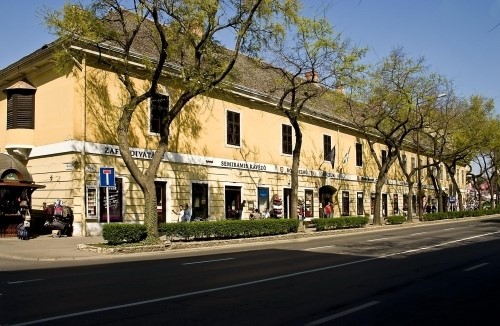
The core idea of the project is based on the shared historical past of the two regions, with particular emphasis on the period of the Ottoman Empire, which plays an important role in the cultural heritage of both areas. During the Ottoman occupation, Nagykanizsa was an important strategic centre, and its memories can still be found in the city’s cultural and historical heritage. Thanks to the development, Nagykanizsa received EUR 610,000, approximately HUF 230 million in funding. One of the most important elements of the investment is the complete transformation of the attic space of the Thúry György Museum in Nagykanizsa: the interactive exhibition space to be created here will bring the world of the Kanizsa Castle and everyday life during the Ottoman period to life.
The new exhibition space will not only expand the city’s cultural offer but will also provide an experience for all generations through modern museum education tools.
Another important element of the project is the restoration of the historic Turkish Well as a drinking fountain at Deák Square, close to its original location. This is not only a tribute to the city’s past but also the creation of a community space that represents value for both local residents and tourists.
One of the most significant elements of the project is the organisation of joint cultural and tourism programmes, aiming to expand the tourism offer of the region and strengthen cross-border cooperation. Within the framework of the project, a joint summer camp will be organised in Nagykanizsa, primarily offering young people the opportunity to discover historical and cultural heritage. In addition, a Turkish historical and gastronomy festival will be organised, presenting the shared historical past and culinary traditions of the region.
THE IDEA OF THE VÁR-ATLAN FESTIVAL CREATED WITHIN THE CROCUS PROJECT CAN PROVIDE SUPPORT FOR THE IMPLEMENTATION OF THIS INITIATIVE. THE IDEA WAS ALSO DISCOVERED BY PÉTER NYESTE, THE URBAN DEVELOPMENT LEADER OF NAGYKANIZSA RESPONSIBLE FOR THE IMPLEMENTATION OF THE PROJECT, AS HE PARTICIPATED IN THE IDEATION WORKSHOPS OF THE CROCUS PROJECT. THROUGH THIS, THE IDEAS CREATED WITHIN THE CROCUS PROJECT CAN DIRECTLY BE INCORPORATED INTO A PROJECT AND CONTRIBUTE TO MAKING IT EVEN MORE SUCCESSFUL.
A joint tourism strategy will also be developed during the project, which will define the long-term directions of tourism development in the region and contribute to strengthening cross-border tourism cooperation.
This long-awaited development will also have a positive impact on the city’s cultural tourism.
Slovenian – Hungarian border museums – as cultural connection points
Thanks to the above-mentioned development, the renewed Thúry György Museum in Nagykanizsa will be able to establish meaningful connections and compete with similar institutions in the Slovenian border regions, where significant museum and cultural developments have also been implemented in recent years in Lendava and Murska Sobota.
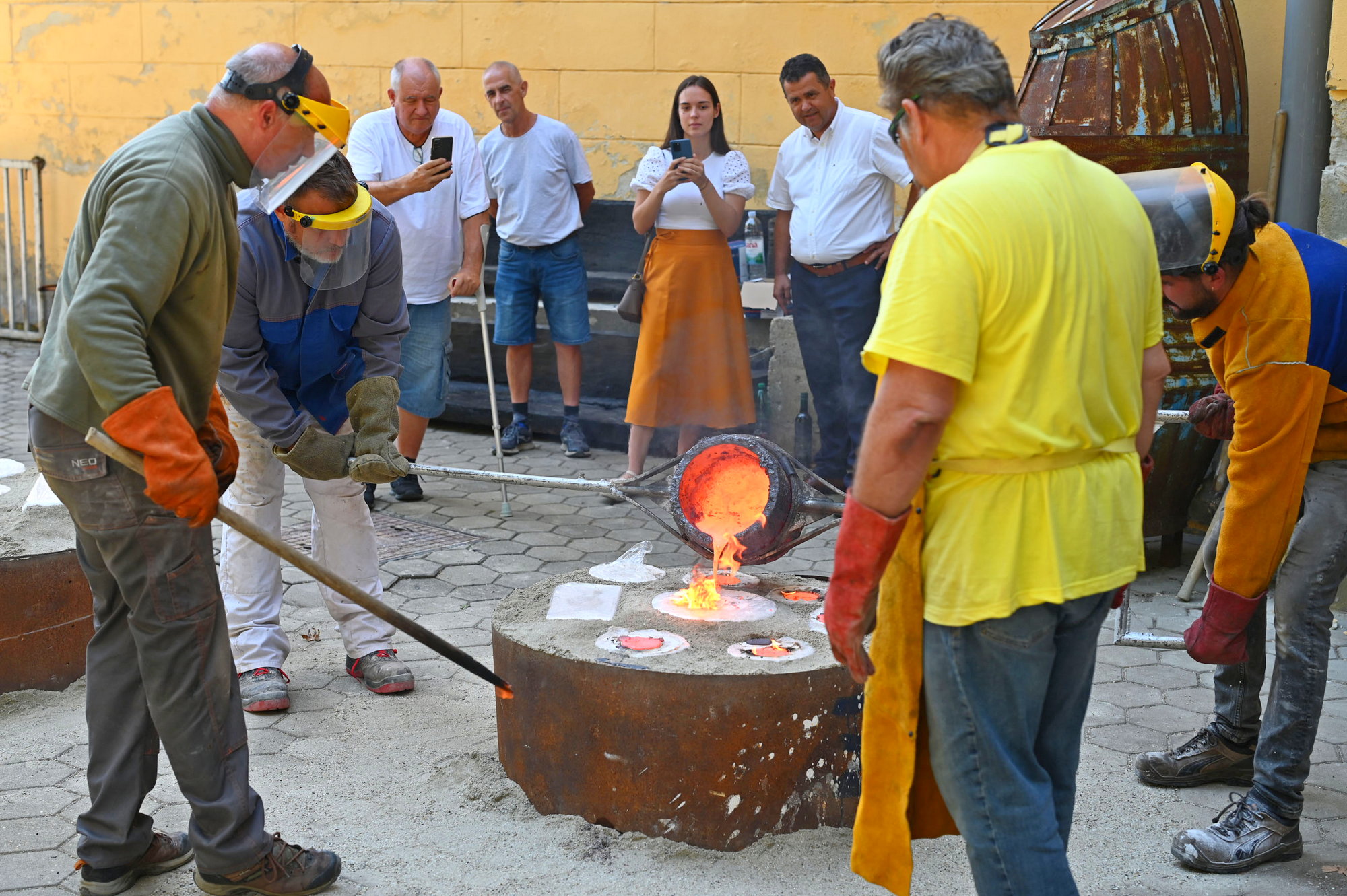
- The Lendava Gallery and Museum regularly organise international exhibitions, Hungarian – Slovenian cultural meetings and art festivals. This can also serve as a valuable connection point between Hungarian and Slovenian heritage-preserving institutions. THE LENDAVA MUSEUM COULD PROVIDE EXCELLENT SUPPORT FOR A POSSIBLE FUTURE COOPERATION WITH THE THÚRY GYÖRGY MUSEUM IN NAGYKANIZSA, AS ANDOR BECSKEI, ONE OF THE ARTISTS OF THE EGRY JÓZSEF GALLERY AND OPEN STUDIO IN KANIZSA, IS A REGULAR PARTICIPANT AND ORGANISER OF THE SLOVENIAN MUSEUM ART COLONY. HE WAS ALSO A PARTICIPANT OF THE CROCUS PROJECT IDEATION WORKSHOPS AND HAS TAKEN THIS INITIATIVE UNDER HIS WING.
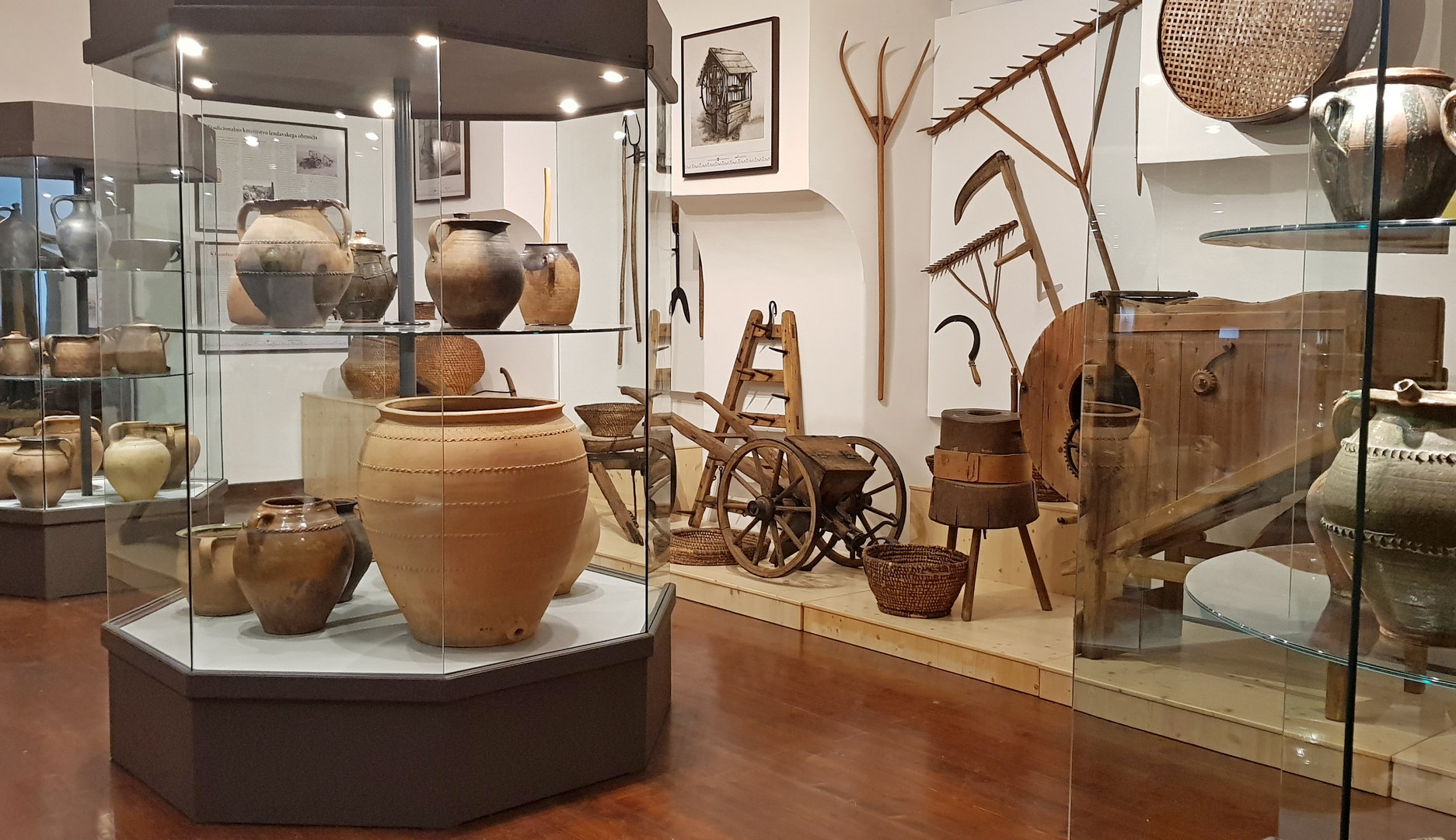
- The historical and ethnographic presentations of the Regional Museum of Murska Sobota focus on the shared heritage of the region, strengthening cross-border identity.
- Smaller local history collections and thematic exhibition spaces bring to life local stories that are familiar to residents on both sides of the border. One such example is the György House in Dobronak, which is a treasure chest preserving local traditions.
The programmes organised in these museums – craft workshops, community days and thematic school activities – attract an increasing number of Hungarian and Slovenian visitors, and could therefore become borderless international meeting points.
Cultural tourism connects the region
The developments of border museums are not isolated investments: today, increasing emphasis is placed on joint thematic routes, digital solutions and shared marketing.
The history of the Kanizsa Castle, the shared Hungarian – Slovenian traditions of the Mura region, or the networking of Ottoman-era locations can create cultural tourism routes that present the history and values of the region in an integrated way.
The results of these programmes may include:
- connecting local communities, as joint cultural developments require joint organisation and cooperation;
- stimulating the economy, as cultural tourism generates multi-day visits;
- strengthening shared identity, as they demonstrate that the history, traditions and values of people living on two or three sides of a border are much more common than separate.
Community, culture and cooperation – an opportunity for a new cultural axis
The development starting in Nagykanizsa and the projects implemented in Slovenian regions together may outline a new cultural axis in the Mura – Drava region. Museums are not merely exhibition venues, but community spaces, meeting points and cultural hubs capable of connecting people, cities and countries.
The border region is therefore becoming more accessible not only geographically but also culturally, as museums can build bridges between communities.