Sustainability Dimensions and Green Development Opportunities
The South Zala and Western Slovenian regions both possess strong thermal tourism offerings, where spa and wellness facilities are complemented by wellness, health, and active tourism elements. The geographical proximity of the border area and the similar characteristics of the thermal waters provide an excellent basis for destination integration at the level of thematic health tourism.
The long-term competitiveness of the cross-border thermal tourism region can only be ensured if economic, environmental, and social sustainability aspects are integrated into the development strategy. Thermal water, as a renewable yet sensitive natural resource, particularly justifies responsible water use and energy management.
The three highlighted destinations – Moravske Toplice, Lendava, and Zalakaros – already apply numerous green initiatives today, including geothermal heating, water recycling, energy-efficient systems, and the prioritization of local products and short supply chains in hospitality services. Building on these good practices, a “Borderless Thermal Triangle” brand could be created, becoming synonymous with environmentally conscious relaxation and healing.
Another key element of sustainability could be the greening of mobility: cycling routes could be further developed, bicycle service points expanded, and electric vehicle charging infrastructure strengthened. The development of environmentally friendly cross-border public transport would reduce ecological footprints and vehicle traffic.
Social sustainability should also be treated as a priority objective: better results can be achieved by involving local communities, as strengthening local employment opportunities and integrating local gastronomy and cultural heritage into tourism offerings contribute to ensuring that thermal tourism creates long-term value not only for visitors but also for residents of the region.
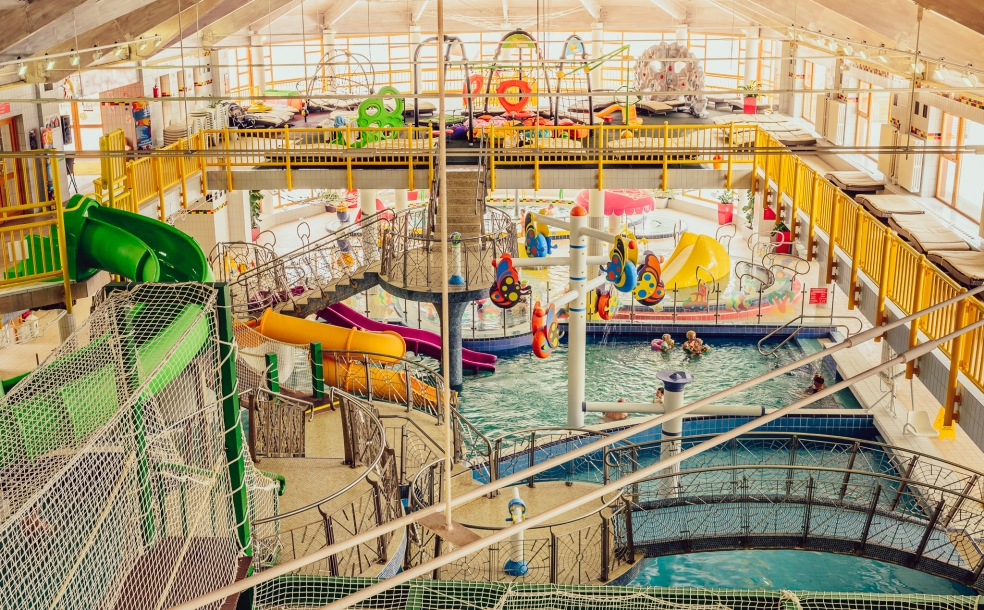
1. Moravske Toplice (Terme 3000): The Slovenian Black Thermal Water and Family Experience
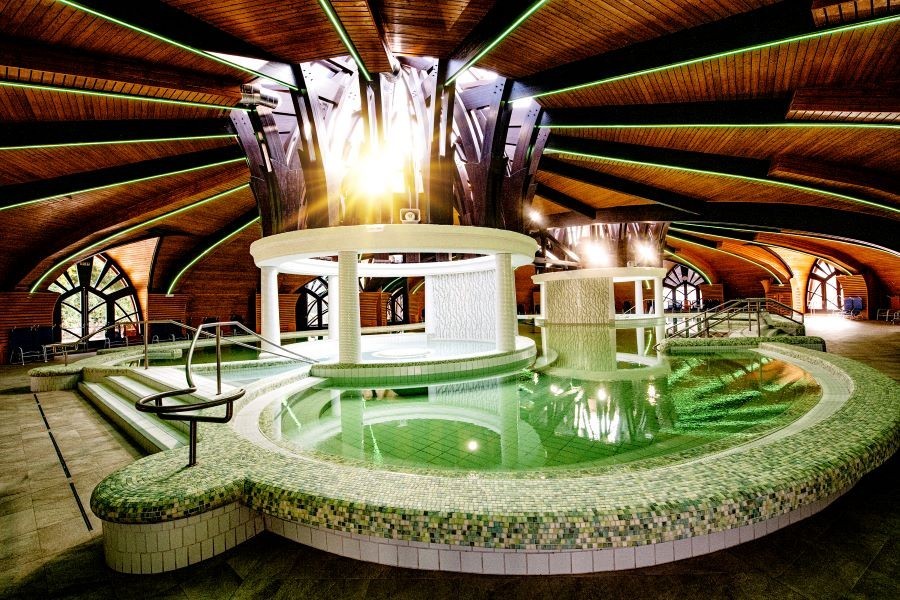
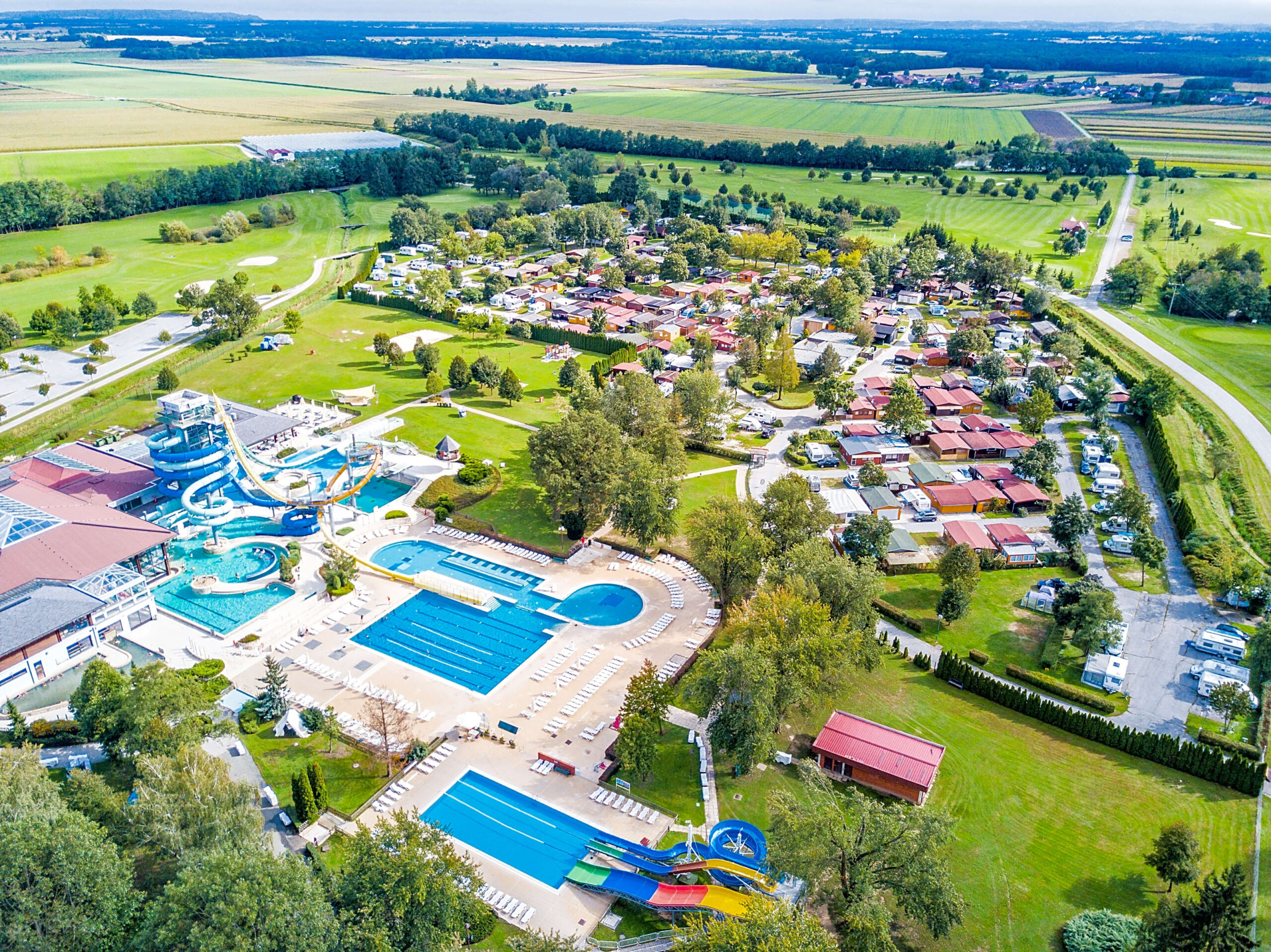
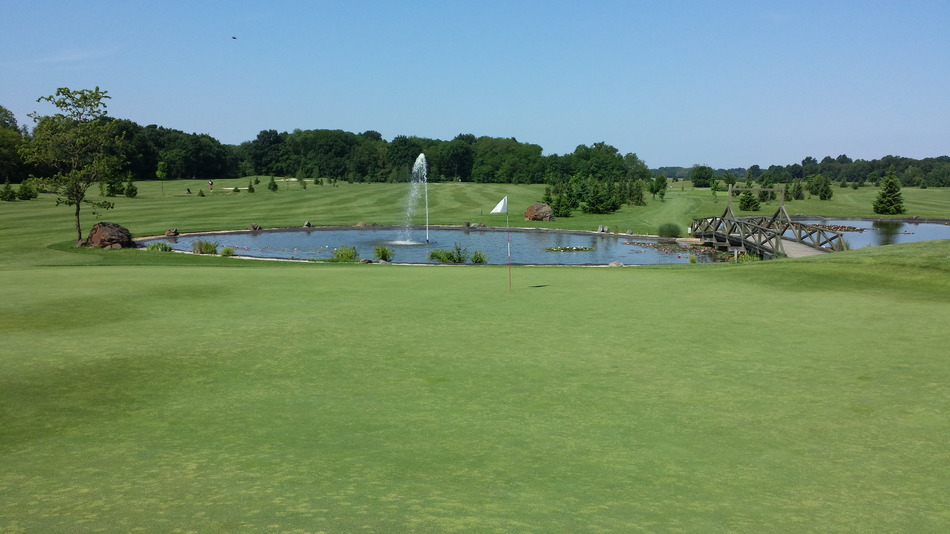
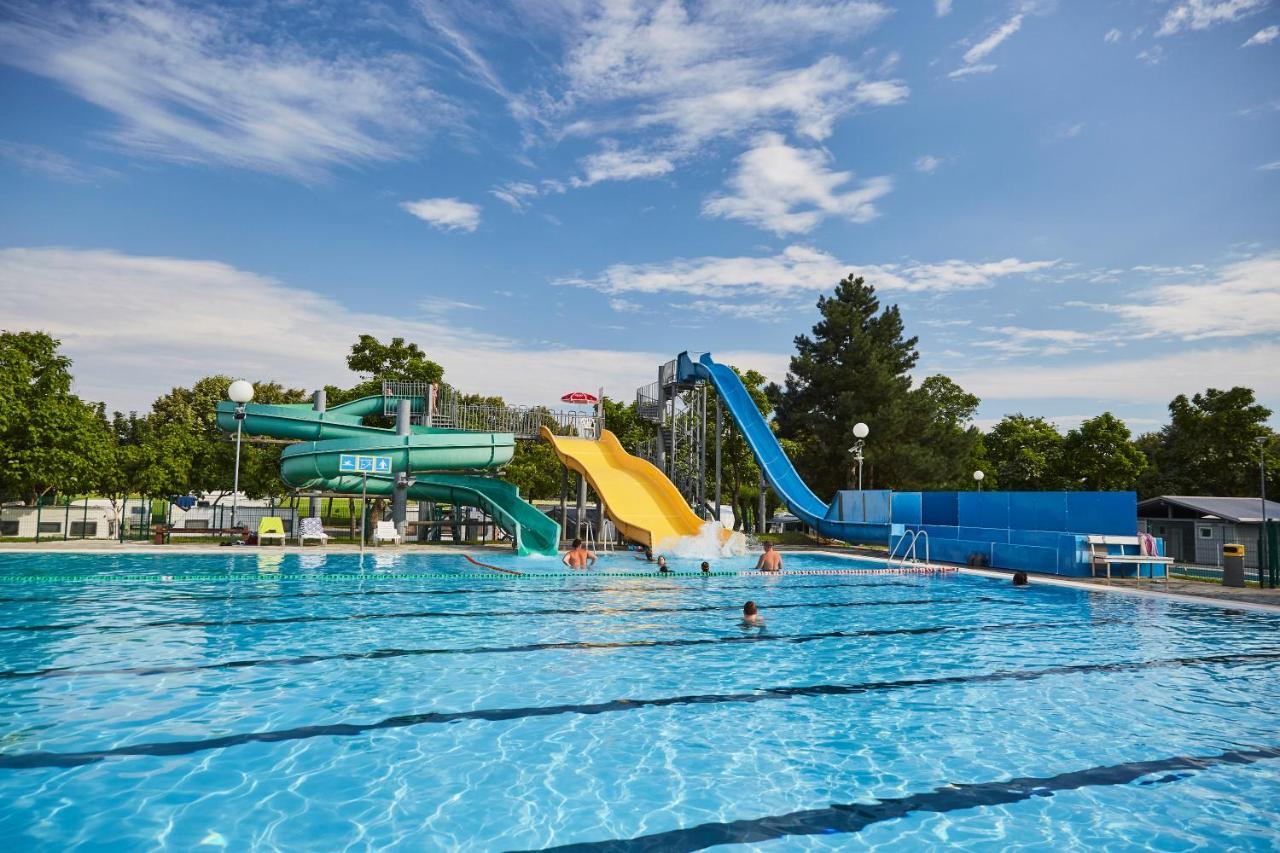
Moravske Toplice’s strongest attraction is its black thermal mineral water and its healing properties, as well as its large aquatic experience center, which offers indoor and outdoor pools, a water slide park, and wellness services for both families and guests seeking health-related treatments. The water-based programs combine well with active local experiences, as the thermal complex is surrounded by a beautiful golf course, while attractions in the region are accessible through well-developed cycling and Nordic walking routes. These experiences are further enhanced by restaurants renowned for their hospitality, offering healthy artisanal products and unforgettable gastronomic experiences made from locally sourced ingredients.
2. Zalakaros Spa: A Classic Yet Modern Hungarian Thermal Spa – Strong Medical Background Combined with Rich Family – Oriented Experiences
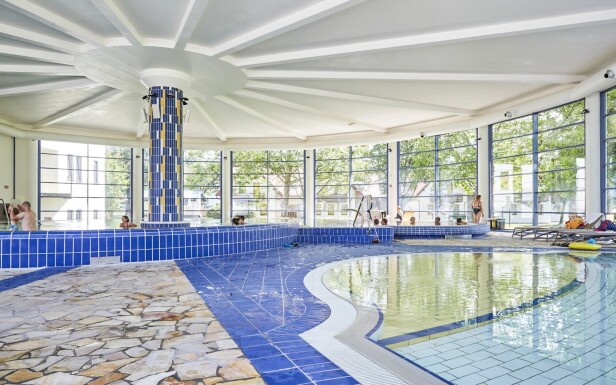
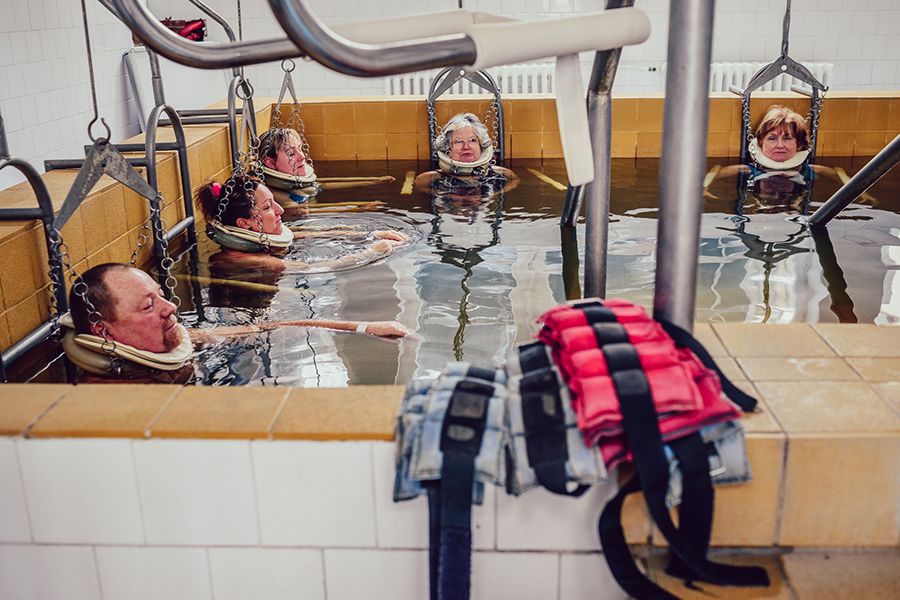
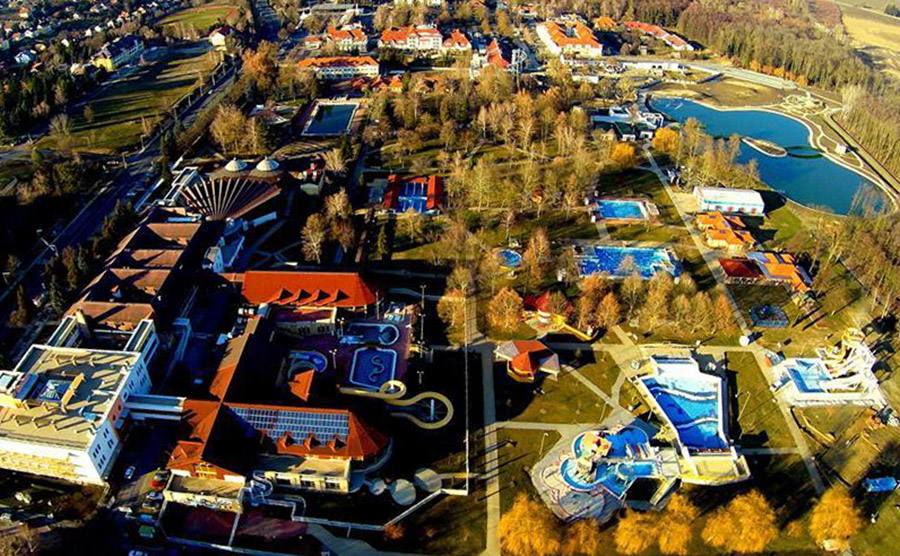
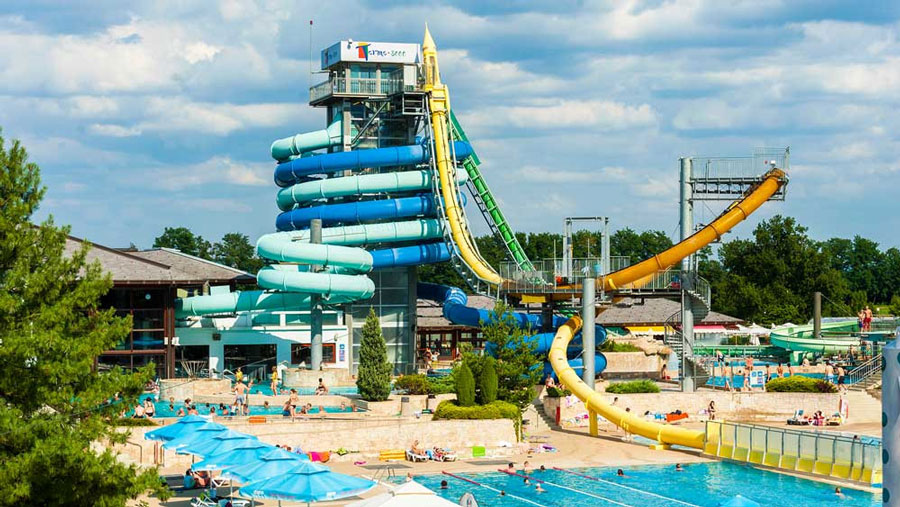
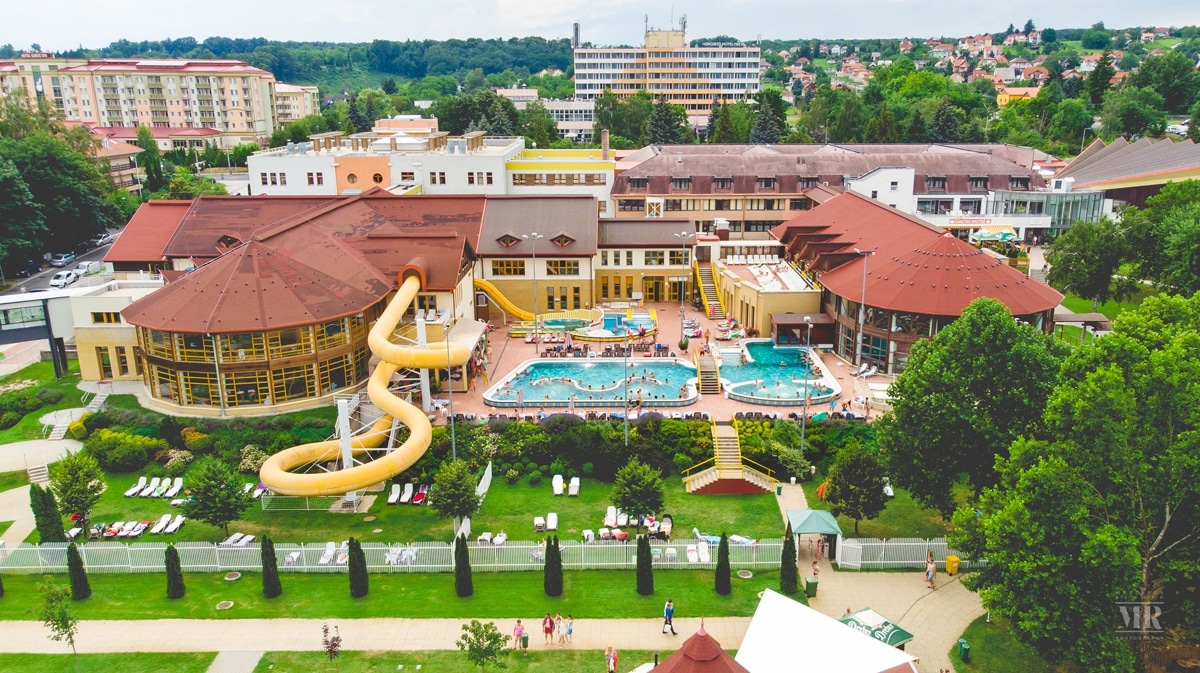
Zalakaros is one of Hungary’s best-known thermal spas, featuring a well-developed medical and adventure spa complex with indoor and outdoor pools, a water slide park, medical treatment center, and medical wellness services. It also has a strong general medical and rehabilitation offering, while placing significant emphasis on the family segment.
One of the greatest strengths of Zalakaros’ tourism appeal is its continuously developing and diverse accommodation supply. Visitors can choose from wellness hotels and family-friendly hotels to apartments, guesthouses, pensions, and high-category spa accommodations. A significant portion of the accommodation sector is directly linked to health and wellness tourism, enabling guests to enjoy comfortable and comprehensive services throughout the year.
The offer is well adapted to different target groups: families, elderly visitors seeking recovery, and guests looking for active recreation can all find suitable accommodation. Continuous developments and high-quality services contribute to making Zalakaros one of the defining tourism destinations of Western Transdanubia.
This position is further strengthened by the recent event that Andor Végh, CEO of the Zalakaros Spa, was elected President of the Hungarian Bath Association.
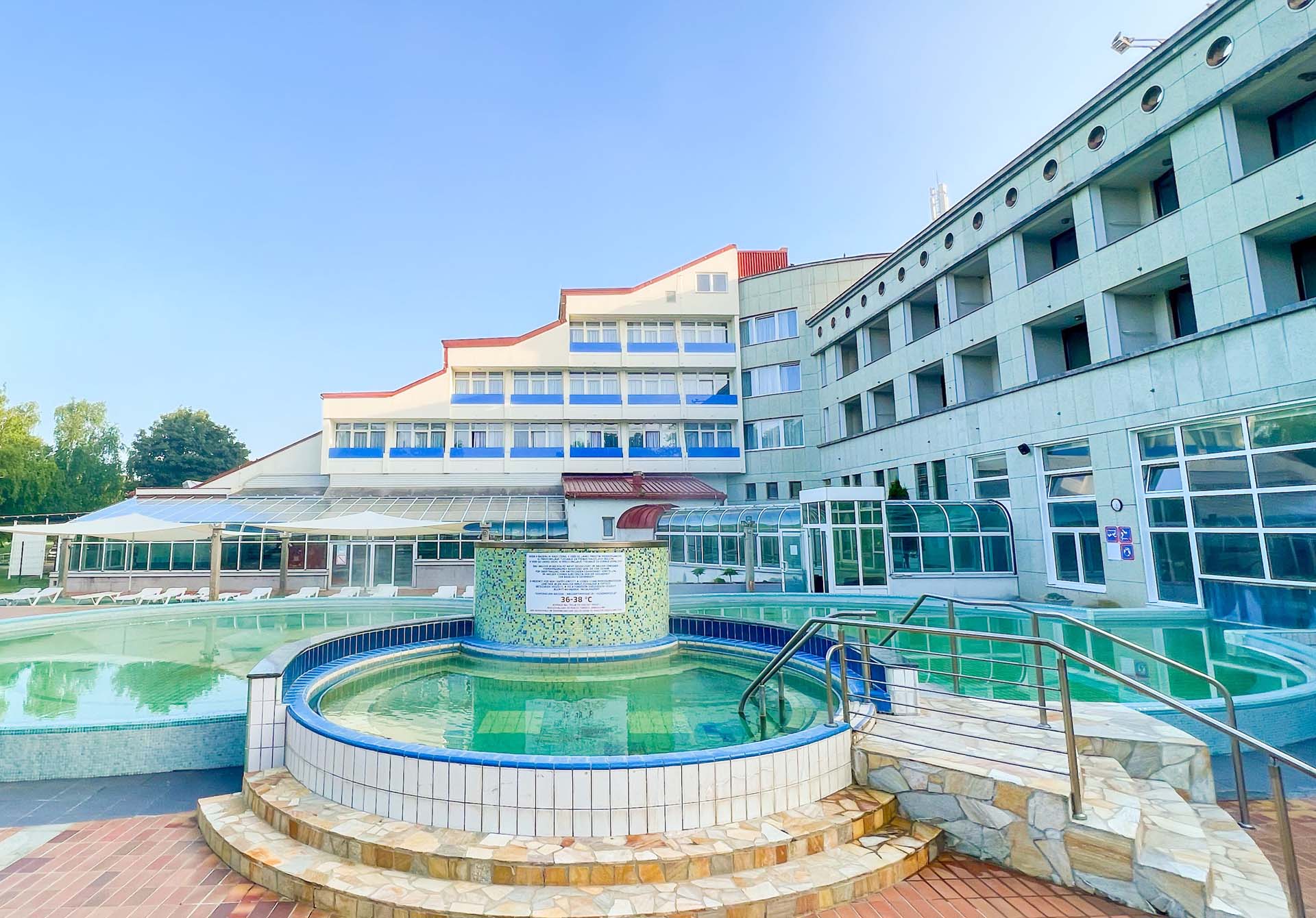
3. Lendava (Thermal Resort Lendava): Slovenian Borderland Accommodation – Wellness – Spa Combination
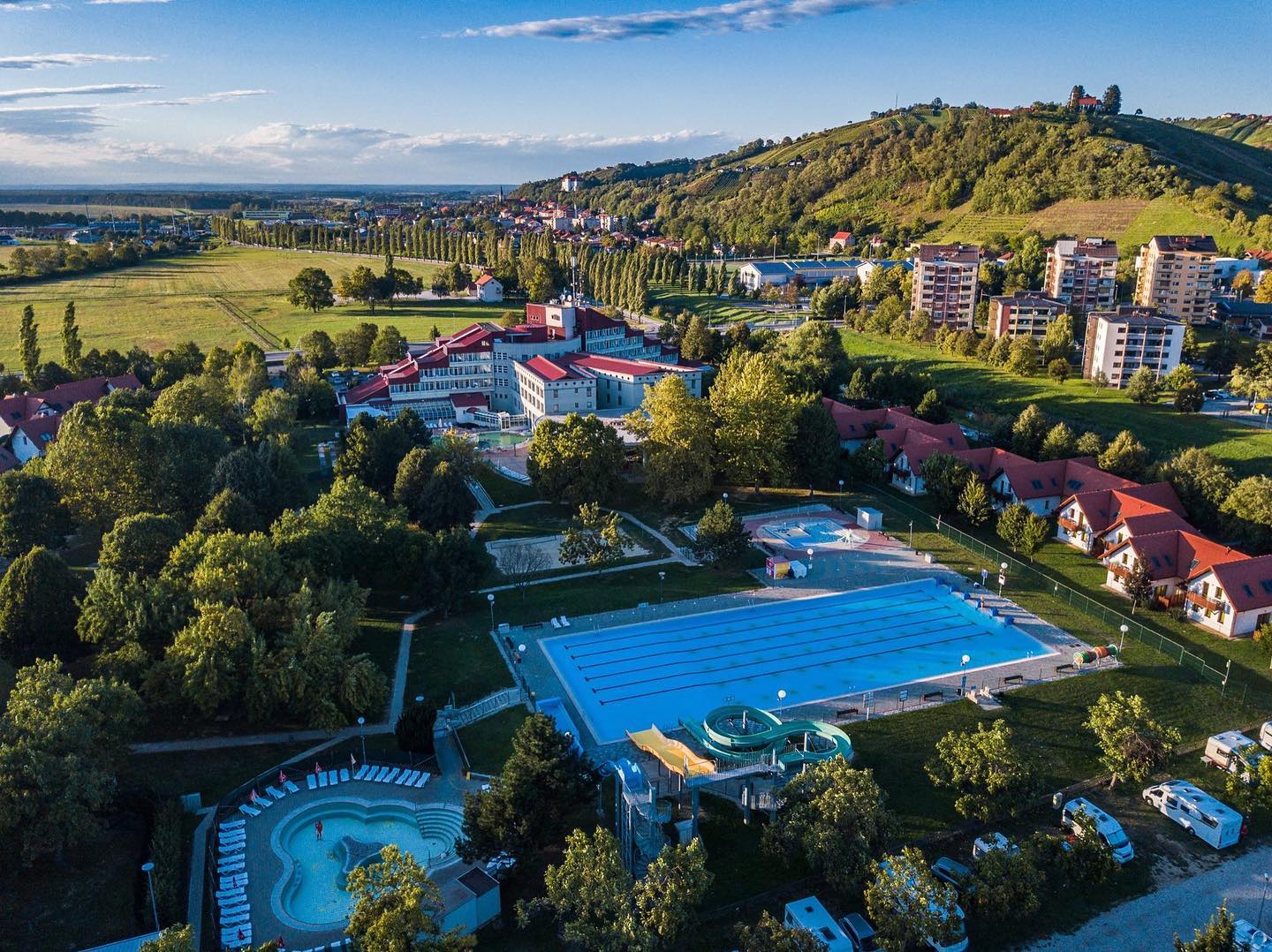
Thermal Resort Lendava is one of Slovenia’s well-known wellness and health tourism centers, welcoming visitors near the Hungarian border in a picturesque environment. The complex’s special feature is its paraffin-rich thermal water, which, due to its unique composition, has beneficial effects on musculoskeletal and rheumatic conditions.
Although Lendava’s thermal complex is smaller in scale, it offers comprehensive services including accommodations, wellness facilities, thermal pools, and family-friendly services, making it ideal for both visitors seeking relaxation and guests interested in active recreation. The region’s rich cultural and gastronomic offerings, as well as cycling and wine tourism opportunities, further enhance its tourism attractiveness.
Market Positioning
By Characteristics of Thermal Water
- Moravske Toplice stands out with its “black” thermal water, emphasizing healing effects and unique wellness experiences.
- Lendava highlights paraffin and mineral components with a more localized character.
- Zalakaros offers traditional thermal water with well-documented medicinal indications.
By Capacity and Attractions
- Moravske Toplice features a large aquatic experience center and extensive service portfolio.
- Zalakaros offers a comprehensive medical spa and water slide park with significant medical and rehabilitation capacities.
- Lendava is smaller but provides flexible services and strong accommodation integration.
By Target Groups
- Moravske Toplice: families + wellness/experience seekers
- Zalakaros: medical and medical wellness guests + families
- Lendava: short stays, cost-conscious couples/families, regional visitors
Potential Areas of Cooperation
Development of Joint Packages and Thematic Routes
Both younger, active target audiences and older guests seeking relaxation and healing could find the “3 Baths in 3 Days” package (Zalakaros – Lendava – Moravske Toplice) attractive. The package could be enriched with programs targeting different audiences and profiles, such as medical treatments, family water experiences, and wellness rituals. Such packages would increase average length of stay, guest nights, and broaden the visitor base.
Development of Transfer and Transportation Cooperation
In the Slovenian – Hungarian border region, the development of transfer and transportation cooperation is of key importance for strengthening tourism, economic relations, and regional mobility. Coordinated transport services – such as tourism transfers, cycling connections, and public transport cooperation – would help visitors reach the region’s tourism attractions and services more easily and quickly.
The objective of these developments is to strengthen cooperation among regional stakeholders – municipalities, tourism service providers, accommodations, and transport partners – while encouraging sustainable and environmentally friendly transportation solutions. An integrated transport network improves the accessibility of cross-border destinations, increases guest nights, and supports the competitiveness of the joint Slovenian – Hungarian tourism offer.
Key destinations such as Zalakaros, Lendava, and Moravske Toplice could become even more closely connected through shared mobility and tourism developments. Such initiatives would most likely only be feasible through external funding sources, such as Interreg programs.
Development of Joint Health Tourism Protocols and References
In the Lendava – Moravske Toplice – Zalakaros region, the development of joint health tourism protocols and professional references could represent a significant step toward strengthening cross-border health tourism cooperation. Unified professional guidelines would contribute to harmonizing service quality, improving guest experiences, and enhancing the region’s international competitiveness.
The joint protocols could include the standardization of wellness and medical services, guest reception and health preservation processes, as well as the strengthening of sustainable and preventive health tourism approaches. Professional cooperation would also create opportunities for joint research, knowledge exchange, and training programs.
The thermal and wellness resources of the three destinations provide an excellent foundation for creating a common health tourism brand built on quality services, natural healing factors, and support for active lifestyles. In the long term, such cooperation could strengthen the region’s tourism attractiveness and increase visitor numbers.
Development and Operation of a Joint Marketing and Online Package Sales System
The creation of a cross-border “thermal region” brand with a multilingual booking platform and package offers should be considered.
The development of a joint marketing and online package sales system would create significant opportunities for strengthening cross-border tourism cooperation in the region.
The aim of the integrated system would be to present the region as a unified tourism destination through coordinated communication and a shared visual identity, thereby increasing its international visibility and competitiveness.
The online package sales platform could enable the creation of complex tourism offers combining wellness and health tourism services, gastronomic experiences, active tourism, and cultural programs.
Visitors could book accommodations, wellness packages, programs, and transfer services through a single interface, making travel planning simpler and more attractive.
Joint marketing activities – digital campaigns, social media appearances, participation in international tourism fairs, and shared promotional materials – would contribute to creating a unified tourism brand for the region. In the long term, the system could support growth in visitor traffic, longer stays, and the economic strengthening of local tourism service providers.
All these concepts could be implemented through continuous professional cooperation and development based on experience exchange, guaranteed by involving local universities and utilizing their professional expertise and experience.
The Nagykanizsa Campus of the University of Pannonia has already participated in several Slovenian – Hungarian Interreg projects, such as 5 Postakocsi and TELE-KA-LAND, while the Ernő Soós Research and Development Center could contribute its expertise in the complex water treatment of thermal waters to the project.
Furthermore, tourism experts from the University of Maribor already involved in the CROCUS project, including Dr. Tina Šegota, could provide valuable experience to strengthen Slovenian – Hungarian cross-border thermal tourism integration.
Possible Steps for Implementation
- Establishment of a consortium: management of the three spas, and local tourism offices, and economic development agencies, and universities.
- Market research and package development: joint assessment of tourism demand and price sensitivity; development of prototype packages (wellness, family, medical).
- Launch of transfer services: weekend minibus routes between Zalakaros ↔ Lendava ↔ Moravske Toplice with an integrated ticketing system.
- Joint online campaign: multilingual website + shared booking system + common promotional packages.
- Identification of funding sources: mapping cross-border tourism development programs.
- Language and service adaptation: multilingual receptions, treatment descriptions, and online content are essential, as the target audience includes Slovenian and Hungarian speakers, while German and English language use is also recommended for broader international audiences.
Connecting the three destinations through thermal tourism would enhance the region’s competitiveness: through complementary services, they could encourage longer stays and higher visitor spending, while joint marketing and transportation solutions would reduce accessibility barriers in border regions. The strategy aligns particularly well with the growing demand for sustainable, experience-based, and health-oriented tourism.