There is a region along the Hungarian–Slovenian border where landscapes, traditions, and people’s stories intertwine. In Zala (Hungary) and Pomurske (Slovenia), the CROCUS project recently carried out a large-scale study to understand how tourism is perceived by those who live there, run businesses there, or simply visit. The findings are both surprising and insightful, but above all, they reveal what tourism really means in everyday life.
From the locals’ point of view, tourism has two faces. In Hungary, many feel that while tourism creates jobs and brings vibrancy, it also raises living costs and puts pressure on the environment. On the Slovenian side, the voices are more positive: here, tourism is mostly seen as a tool for protecting cultural heritage and the natural environment, and it increases the quality of education, although they are also aware of the potential negative impacts such as increased traffic congestion and social inequality. Interestingly, while many Hungarians said they would consider moving away if they could, Slovenians reported being happier with their current quality of life. Still, in both countries, there is strong support for further tourism development.
Among local businesses, the picture is equally nuanced. Most of them are small, family-run enterprises, often focused on accommodation services. Hungarian businesses mainly cater to domestic guests, while Slovenian ones are more open to international visitors. What unites them, however, is enthusiasm: they see tourism as an opportunity that benefits both the economy and the preservation of local traditions. Slovenians appear a bit more sensitive to environmental issues, but Hungarian business owners are also aware of them. Perhaps most encouragingly, entrepreneurs on both sides feel attached to their region and strongly support collective tourism development.
And what about the visitors? They are surprisingly loyal. Many have already returned several times, not only for a quick trip but sometimes for longer stays. When planning their travels, they rely mostly on social media and the websites of local tourism companies, while municipal websites are rarely used. Most visitors see tourism in a positive light: new experiences, cultural values, and economic benefits. Women, however, tend to be more environmentally conscious, showing greater concern about issues like pollution and waste.
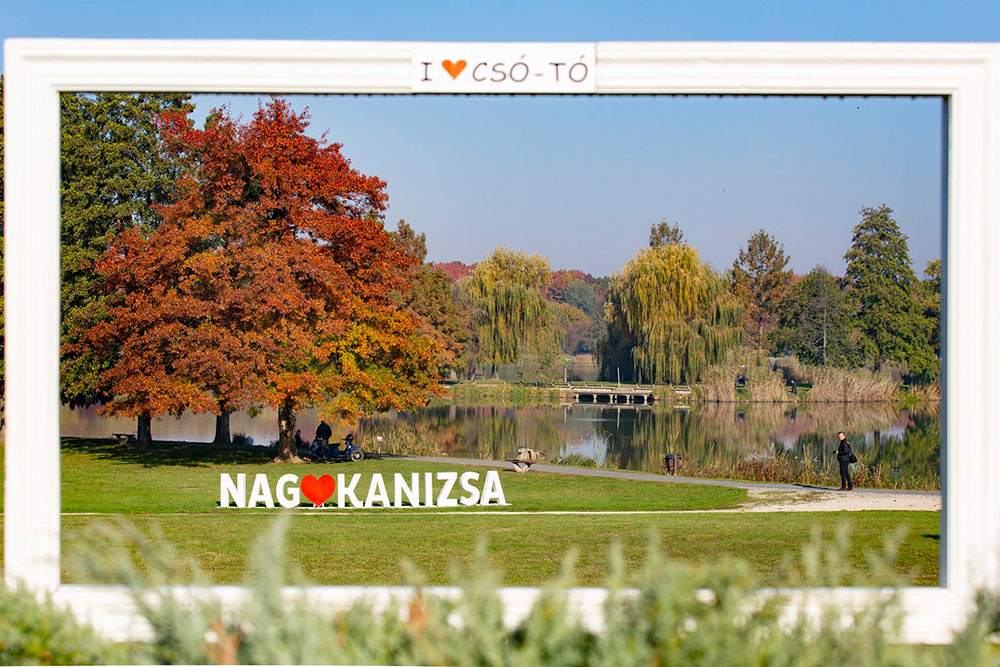
Experts highlighted the different challenges facing the two sides. In Hungary, for example, Nagykanizsa mainly serves as a stopover for travelers heading to the Adriatic, with short stays and low local spending. The lack of a unified tourism strategy, underdeveloped infrastructure, and a weak entrepreneurial culture hold the area back. In Slovenia, the offer is much richer—thermal spas, wine culture, and cultural heritage are all strong attractions—but issues like limited funding, workforce shortages, and transport difficulties still pose challenges.
And yet, opportunities are abundant on both sides. Imagine a region with a shared tourism brand, where slow tourism—cycling, hiking, or discovering local food—draws visitors in. A place where cultural institutions, festivals, and craft workshops bring life and color, and where the border serves more as a bridge than a dividing line.
This research has given more than just numbers and data; it has provided a vision. Tourism can truly succeed here if locals, businesses, and visitors work together—and if sustainability and community cooperation remain at the heart of development.